

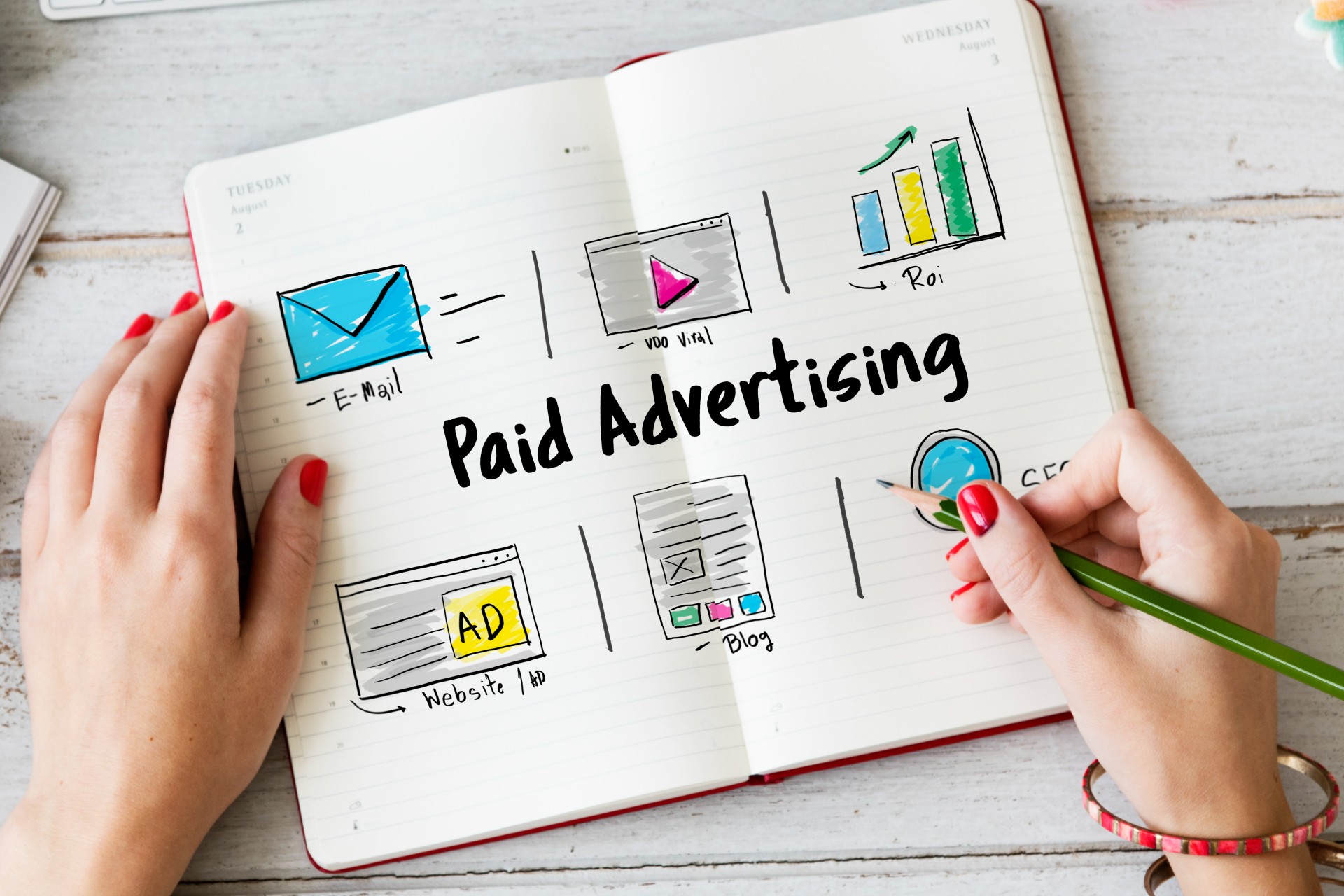
The number of digital advertising platforms available to brands in 2026 is significantly larger than most marketing teams have the bandwidth to evaluate properly. Every platform claims to reach the right audience, every platform promises measurable results, and every platform has a sales team ready to explain why it should be the first line in the media plan. Cutting through this noise requires a clear understanding of what each major platform actually does, who it reaches, what commercial objectives it serves best, and what it costs to operate effectively within it.
This guide covers the seven digital advertising platforms that matter most for most brands in 2026: what each one is, how its advertising model works, the commercial contexts where it generates the strongest returns, and the specific considerations that determine whether it belongs in a brand's media mix.
Platform One: Google Ads
Google Ads is the most commercially significant digital advertising platform for most businesses because it provides access to search advertising, the only major advertising format where the audience is actively expressing commercial intent through their search behavior at the moment the ad appears.
When someone searches Google for a product, a service, or a solution to a problem they are experiencing, they are signaling active interest in a way that no other platform can consistently provide. The search query is evidence of intent, and the advertiser whose ad appears in response to that query is reaching a potential customer who has already identified their need and is actively looking for a way to meet it.
Beyond search, Google Ads provides access to the Google Display Network, which reaches over two million partner websites and apps with visual advertising, YouTube for video advertising, Google Shopping for e-commerce product listing ads, and Performance Max campaigns that deliver across all Google channels simultaneously through machine learning optimization.
The breadth of Google's advertising ecosystem, combined with the commercial intent advantage of search advertising, makes Google Ads the natural starting point for most brand paid media programs. The search component captures demand that already exists. The display and video components build the awareness and consideration that feeds the search funnel over time.
Google Ads is most appropriate for brands with meaningful search demand in their category, for any business objective where reaching people at the moment of active intent is commercially valuable, and for e-commerce businesses whose products are actively searched by potential buyers. It is less appropriate for genuinely new product categories where search volume does not yet exist, or for purely awareness objectives where reach efficiency matters more than intent precision.
The cost structure of Google Ads is auction-based and pay-per-click for search, with costs varying enormously by category competitiveness. In India in 2026, CPCs range from a few rupees in low-competition categories to several hundred or even thousands of rupees per click in the most competitive categories like financial services and legal services.
Platform Two: Meta Ads
Meta Ads, running across Facebook, Instagram, and the broader Meta audience network, is the dominant paid social platform for most commercial objectives and the most important complement to Google Ads in a comprehensive digital advertising program.
Where Google Search captures demand that already exists, Meta creates demand by reaching audiences who match the profile of potential customers before they are actively searching. The platform's advertising strength is built on the behavioral and interest data accumulated across its properties, which enables audience targeting of a precision that was impossible in any previous advertising medium.
Core audiences can be defined by demographic characteristics, geographic location, and interests derived from behavioral signals. Custom audiences allow brands to target people from their own data: website visitors tracked by the Meta Pixel, email list matches, and mobile app users. Lookalike audiences use these custom audience foundations to find new users who statistically resemble the brand's best existing customers.
Instagram's visual-first environment makes it particularly effective for consumer brands with strong aesthetic identities, direct-to-consumer businesses where product discovery through social feeds is a natural part of the buying journey, and brands targeting the eighteen to thirty-four demographic where Instagram engagement is highest.
Facebook's broader demographic reach and more sophisticated targeting infrastructure makes it the stronger platform for older audiences, for B2C products with broader appeal, and for retargeting campaigns that maintain brand presence with website visitors across the Meta ecosystem.
The creative formats available across Meta include static images, carousel ads, video ads in multiple placements including Stories and Reels, collection ads that combine video with product catalog display, and lead ads that collect contact information directly within the platform. The variety of these formats allows campaigns to be built for specific objectives at specific stages of the customer journey rather than forcing all objectives into a single creative format.
Meta Ads is most appropriate for consumer brands targeting defined audience profiles, for direct-to-consumer businesses where product discovery through social advertising is commercially validated, for retargeting campaigns that build consideration among website visitors, and for awareness campaigns that need to reach large, well-defined audiences efficiently.
Platform Three: LinkedIn Ads
LinkedIn Ads is the most important digital advertising platform for B2B marketers because it provides targeting capabilities built on professional identity data that no other platform can match. Job title, seniority level, company size, industry, years of experience, educational background, and professional skills are all available as targeting dimensions, allowing B2B advertisers to reach precisely defined professional decision-maker profiles.
The commercial premium of this professional targeting precision comes at a significant cost: LinkedIn is the most expensive major paid social platform on a cost-per-click basis by a substantial margin. CPCs on LinkedIn typically run two to five times the equivalent cost on Meta Ads, reflecting the commercial value of reaching the right professional at the right company rather than simply reaching a broad audience that broadly matches a demographic profile.
This premium is justified for B2B advertisers targeting high-value professional audiences where the lifetime value of a converted lead is significant enough to absorb a higher cost per lead than consumer channels require. It is generally not justified for B2C advertisers or for B2B advertisers in categories where the professional identity of the buyer is not the primary targeting criterion.
The ad formats that perform best on LinkedIn reflect the platform's professional content culture. Sponsored content that appears in the LinkedIn feed alongside organic professional content performs best when it provides genuine professional value rather than being overtly promotional. Lead Gen Forms, which allow prospects to submit contact information using their LinkedIn profile data, consistently generate higher conversion rates than equivalent traffic directed to external landing pages because they eliminate the friction of form completion.
LinkedIn Ads excels at B2B lead generation targeting specific professional roles at specific company types, account-based marketing campaigns targeting named companies, thought leadership content distribution to professional audiences, and employer branding targeting candidates with specific professional profiles.
Platform Four: YouTube Ads
YouTube is the world's second-largest search engine and one of the most powerful brand advertising environments available in digital media, combining the storytelling depth of video with the targeting precision of Google's audience infrastructure.
YouTube advertising allows brands to reach audiences at the moment they are engaged with long-form video content, which creates a viewing context more receptive to brand storytelling than the scroll-driven social media environment where attention is more fragmented and more fleeting.
The primary YouTube ad formats are skippable in-stream ads, which play before or during videos and allow viewers to skip after five seconds, non-skippable in-stream ads of up to fifteen seconds that guarantee message delivery, six-second bumper ads that are non-skippable and ideal for frequency-driven awareness, and video discovery ads that appear in YouTube search results and recommended video feeds as content rather than interruption.
YouTube's targeting capabilities draw on Google's full audience infrastructure, including demographic targeting, interest-based audiences, in-market audiences for specific product categories, and remarketing audiences from previous website visits or app usage. This combination of video storytelling capability and data-driven audience precision makes YouTube a powerful platform for brand awareness and consideration objectives that require emotional engagement and narrative depth.
For brands building a digital marketing strategy that includes video as a significant component, YouTube provides both the reach and the targeting sophistication to make video advertising commercially accountable rather than simply aspirationally brand-building.
YouTube Ads is most appropriate for brand awareness and consideration objectives, for products and services whose value proposition benefits from demonstration or storytelling, for reaching audiences at scale in a high-attention video environment, and as a companion to search advertising that builds brand familiarity among audiences who will later encounter the brand's search ads.
Platform Five: Amazon Advertising
Amazon Advertising is the most important digital advertising platform for brands selling physical products on Amazon's marketplace, and it is growing rapidly as Amazon's first-party purchase data makes its advertising targeting increasingly sophisticated.
The commercial context of Amazon advertising is unique among major digital advertising platforms: every user on Amazon is, by definition, in a shopping mindset. They are browsing products, reading reviews, comparing prices, and making purchase decisions. An ad that appears in this environment is reaching an audience that is already in commercial intent mode in a way that even Google Search cannot fully match for product categories where Amazon has become the primary product discovery channel.
The primary Amazon advertising formats are Sponsored Products, which appear in search results and product detail pages as promoted product listings, Sponsored Brands, which appear as banner ads featuring the brand logo and multiple products, and Sponsored Display, which reaches audiences both on and off Amazon with product-focused display advertising.
Amazon's targeting capabilities for Sponsored Products are keyword-based, similar to search advertising, allowing advertisers to appear when users search for specific product terms. For Sponsored Display, targeting is audience-based, using Amazon's purchase history and browsing data to reach shoppers who have shown interest in relevant product categories.
Amazon Advertising is most appropriate for brands whose products are sold on Amazon's marketplace, for any product category where Amazon has significant search volume from purchase-intent buyers, and for brands looking to capture the demand that Amazon's marketplace generates rather than directing that demand away from the platform.
Platform Six: Twitter / X Ads
Twitter, now operating as X, offers digital advertising across its real-time conversation platform to audiences that are engaged with breaking news, trending topics, and public discourse in ways that other social platforms do not replicate.
X's advertising environment is defined by its real-time, text-forward content culture. Promoted tweets and threads that participate authentically in relevant conversations or that provide immediate value in the context of a trending topic can generate engagement that feels organic rather than promotional. Advertising that feels disconnected from the platform's conversational culture generates the kind of negative response that undermines brand perception rather than building it.
The targeting capabilities of X Ads include follower lookalike targeting that reaches users similar to the followers of specific accounts, keyword targeting that shows ads to users who have recently engaged with specific keywords in their feed or search, and interest-based targeting across the platform's topic categories.
X Ads is most appropriate for brands targeting tech-forward, news-engaged, and culturally aware audiences, for campaigns tied to trending topics or live events where the real-time nature of the platform creates relevance, for reaching journalists, analysts, and industry influencers who are disproportionately active on X, and for brand awareness objectives where the social conversation dimension of the platform amplifies reach beyond the paid audience.
The relatively lower user base in India compared to Meta platforms and the platform's ongoing evolution under its current ownership make X Ads a supplementary rather than primary channel for most Indian brands, used strategically for specific campaign moments rather than as a consistent acquisition channel.
Platform Seven: Programmatic Display and Native Advertising
Programmatic advertising is not a single platform but a technology-driven approach to buying digital advertising inventory across thousands of websites, apps, and digital environments through automated real-time bidding systems. It deserves a position in this guide because it represents the access mechanism for the vast majority of digital display inventory that exists outside of the walled gardens of Google, Meta, and the other major platforms.
Programmatic advertising operates through demand-side platforms that allow advertisers to set targeting parameters, bid levels, and creative specifications and then automatically purchase impressions that match those parameters across the available inventory in real time. The inventory available through programmatic systems includes display banners on news sites and content platforms, native ads that match the visual format of the content environment where they appear, video pre-roll and mid-roll on publisher video content, and audio advertising on streaming platforms.
The targeting approaches available in programmatic advertising combine contextual targeting, which places ads on pages whose content is relevant to the brand's category, with audience-based targeting using third-party data segments that define users by their interests and behaviors across the web. First-party data targeting, which uses the brand's own customer data to reach existing customers or similar audiences across programmatic inventory, is increasingly the most valuable and most privacy-compliant targeting approach available in the programmatic ecosystem.
Programmatic advertising is most appropriate for brands that need reach beyond the audience sizes that individual platform campaigns can efficiently deliver, for retargeting campaigns that need to maintain brand presence with website visitors across the full digital environment rather than only within specific platform ecosystems, for brand awareness objectives that require high frequency reach at efficient CPMs, and for campaigns where contextual relevance on specific types of content is a commercially important targeting dimension.
The quality control challenge in programmatic advertising, specifically ensuring that ads appear in brand-safe environments and that impression counts reflect genuine human viewing rather than bot activity, requires active brand safety configuration and viewability standards that are not automatically guaranteed by the programmatic buying process.
Choosing the Right Platforms for Your Media Mix
The seven platforms described in this guide are not interchangeable. Each reaches a different audience in a different context through a different commercial mechanism, and the platform mix that generates the strongest commercial returns for any specific brand reflects the specific characteristics of that brand's audience, commercial objectives, and budget constraints.
For most brands building their first structured digital advertising program, the starting point is Google Search for demand capture and Meta Ads for demand generation, because together they cover the two most commercially fundamental digital advertising functions: reaching people who are actively looking for what the brand offers, and reaching people who match the profile of the brand's target customer before they are actively searching.
Additional platforms extend the program's reach and commercial capability as budget and organizational capacity allow: YouTube for awareness and consideration, LinkedIn for B2B professional audiences, Amazon for product brands in the marketplace, and programmatic display for broad reach and comprehensive retargeting coverage.
The allocation across these platforms should be determined by commercial evidence rather than platform preference or industry convention. The platforms generating the strongest cost per acquisition for the brand's specific audience and commercial objectives deserve budget concentration. The platforms generating weaker performance relative to their cost warrant either optimization or budget reduction in favor of better-performing alternatives.
For brands building a performance marketing program that spans multiple platforms, the measurement infrastructure that connects each platform's activity to commercial outcomes is as important as the platform selection itself. Without accurate cross-platform attribution, budget allocation decisions are based on incomplete evidence, and the platforms that contribute to commercial outcomes without receiving direct attribution credit will be systematically undervalued relative to those that appear to drive the last click before conversion.
Final Thoughts
Digital advertising platform selection is one of the most consequential decisions in a brand's marketing program because it determines which audiences the brand can reach, in what contexts, at what costs, and toward what commercial objectives. The platforms that generate the strongest returns are the ones that are matched to the brand's specific audience profile and commercial objectives rather than chosen because they are the most well-known or the most frequently recommended.
The brands that build the most effective digital advertising programs are the ones that understand what each platform does, match each platform to the commercial objective it is best designed to serve, measure performance against objective-appropriate metrics, and continuously reallocate investment toward the platforms and approaches that demonstrate the strongest commercial returns.
Visit Foxtale Media and let's build a digital advertising program that uses the right platforms in the right way for your specific commercial situation.
Related Blog

October 6, 2026
8
In-House vs Outsourcing SEO: Which Delivers Better Results?

September 11, 2026
8
%201.svg)