

Meta Ads Funnel: How to Build a Full-Funnel Campaign From Awareness to Conversion
November 4, 2026
8
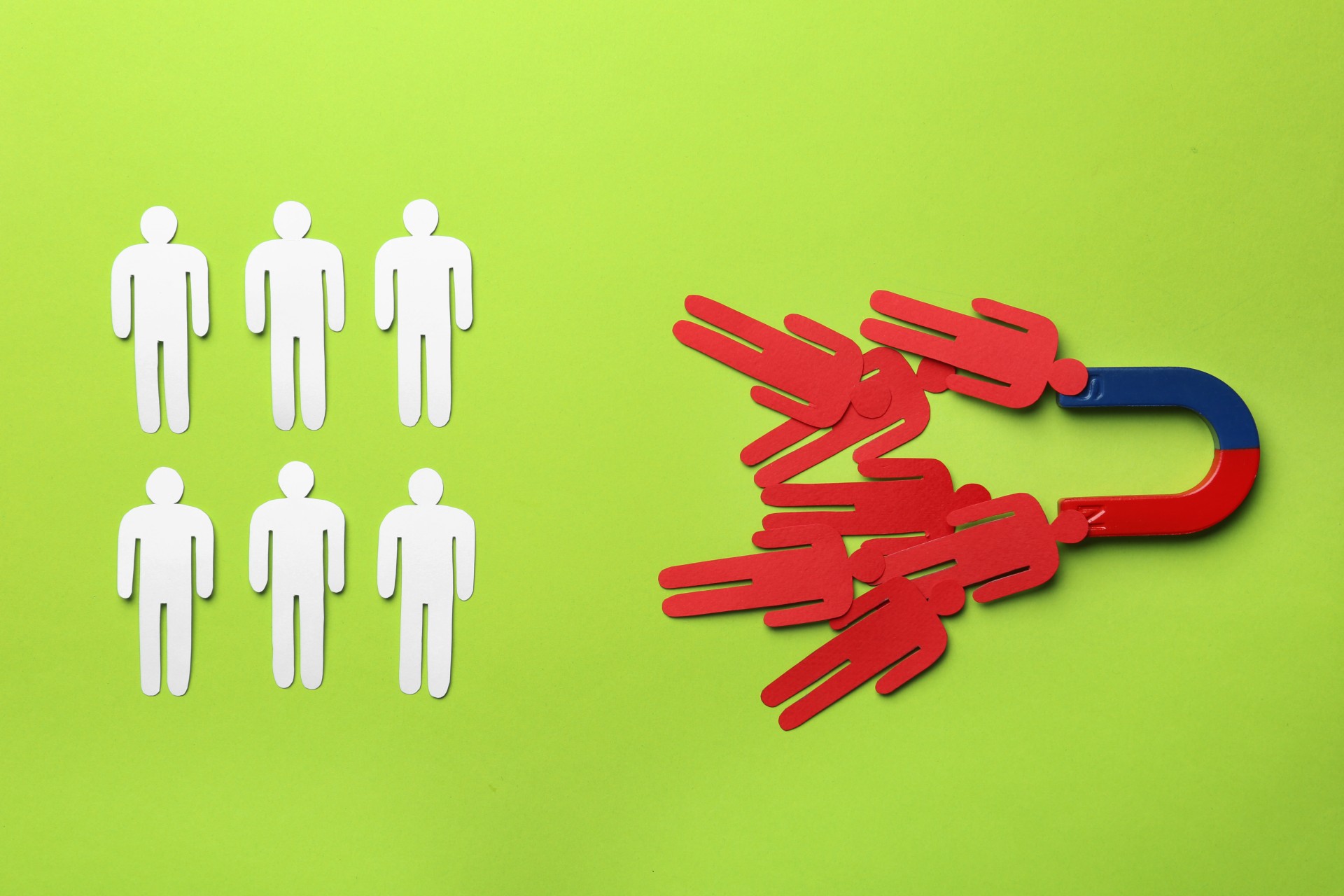
Most businesses running Meta ads are running bottom-funnel campaigns. They target audiences with purchase intent, use conversion objectives, and wonder why their cost per acquisition keeps climbing. When results decline, they adjust the ad creative or the audience targeting and repeat the cycle.
What they are not doing is building the conditions for conversion earlier in the customer journey. They are asking cold audiences who have never encountered the brand to make a purchase decision, without having invested in the awareness and consideration stages that make that decision easier and cheaper.
A full-funnel Meta Ads campaign works differently. It treats the journey from first exposure to purchase as a structured, managed process — with different objectives, different creative, different audiences, and different success metrics at each stage. The result is not just better conversion rates at the bottom of the funnel. It is a sustainable paid acquisition system that gets more efficient over time as the upper funnel feeds the lower one.
This post covers how to build that system: the structure, the audience logic, the creative approach, and the measurement framework that makes full-funnel Meta advertising work.
Why Funnel Thinking Matters in Meta Ads
The case for full-funnel advertising is ultimately a case for buying efficiency. Cold audiences — people who have no prior exposure to a brand — convert at low rates because they lack the trust and familiarity that purchasing decisions require. Warm audiences — people who have already engaged with the brand in some way — convert at significantly higher rates because the work of building trust has already been done.
An advertiser who only runs bottom-funnel campaigns is constantly selling to cold audiences, paying high CPAs, and burning through budget on the least efficient part of the funnel. An advertiser running a full funnel is simultaneously building warm audience pools at the top, nurturing those pools through the middle, and converting the highest-intent segment at the bottom. Each stage feeds the next, and over time the warm audience pool grows relative to the cold one — which means conversion efficiency improves as the system matures.
The practical implication is that full-funnel advertising requires accepting that not all ad spend produces direct, attributable conversions. Upper-funnel campaigns generate no immediate revenue. They generate audience — people who have seen the brand, engaged with content, or visited the website and can now be retargeted at a later stage. This requires confidence that the system as a whole is profitable, even when individual campaigns are not optimised for direct response.
Campaign Structure: Three Stages, Three Objectives
Meta Ads Manager organises campaigns around objectives, and the objective selection determines how Meta's algorithm optimises your spend. Full-funnel campaign structure maps three stages to three corresponding objective types.
Top of Funnel: Awareness and Reach
The top of funnel is where new audiences encounter the brand for the first time. The goal is not conversion — it is recognition. You are building a pool of people who have been exposed to the brand, can recall it when they encounter it again, and may become receptive to a more direct offer later.
Campaign objectives at the top of funnel are typically Awareness (Reach, Brand Awareness, or Video Views). These objectives optimise for showing the ad to as many relevant people as possible, or for maximising the number of people who watch a video. They are not conversion objectives and should not be evaluated on conversion metrics.
The audiences at this stage are cold: interest-based targeting, lookalike audiences based on existing customers or website visitors, or broad targeting in categories relevant to the product or service. For businesses with sufficient data, lookalike audiences built from high-value customer segments tend to outperform interest-based targeting in quality, though both serve a legitimate purpose in filling the top of funnel.
Creative at this stage should be designed to stop the scroll and create a memorable impression rather than to drive a click or a purchase. Video content that tells a brand story, introduces a product in a compelling way, or communicates a clear value proposition in the first three seconds performs well here. The creative should work in silence (most social media video is watched without sound), and the message should be clear without requiring the viewer to take any action.
Measurement at this stage is reach, impressions, video completion rate, and CPM. Cost per thousand impressions at the top of funnel should be relatively low because you are optimising for exposure, not action.
Middle of Funnel: Consideration and Engagement
The middle of the funnel is where people who have been exposed to the brand at the top are moved toward genuine consideration — actively evaluating whether the product or service is relevant to them. The goal shifts from recognition to intent signals.
Campaign objectives at this stage include Traffic (sending people to key pages on the website), Engagement (generating saves, shares, and comments on content), or Lead Generation (collecting contact information through lead forms). Which objective fits depends on the business model — a service business may prioritise lead generation; a product business may prioritise traffic to product pages.
The audiences at this stage are warm retargeting pools: people who have watched a specified percentage of a top-funnel video (25%, 50%, 75%), people who have interacted with a previous ad, people who have visited the website but not converted, or people who have engaged with the brand's Instagram or Facebook page. These are audiences who have demonstrated at least passive interest, which makes them meaningfully more receptive than the cold audiences at the top.
Creative at this stage can be more direct and informative than top-funnel creative. It can introduce specific products or services with more detail, include social proof (customer reviews, testimonials, results), and begin to address the objections or concerns that prevent consideration from becoming intent. This is where video testimonials, before-and-after content, and product demonstration formats work well.
Measurement at this stage is click-through rate, landing page views, cost per landing page view, lead volume and cost per lead, and time on site. These metrics indicate whether the middle-funnel content is successfully moving people toward intent.
For businesses building paid acquisition systems designed to perform at scale, Foxtale Media's performance marketing team structures full-funnel Meta campaigns with the audience logic and creative strategy that each stage requires — not just bottom-funnel conversion campaigns optimised in isolation.
Bottom of Funnel: Conversion
The bottom of the funnel is where purchase decisions are made. The audience here has been exposed to the brand at the top, has engaged or visited the website in the middle, and is now being shown a direct offer or a reason to convert. These are the warmest audiences in the system and they convert at the highest rates.
Campaign objectives at this stage are Conversions (optimising for purchase, add-to-cart, or form submission events) or Sales (using Meta's catalogue to show dynamic product ads). These objectives require the Meta pixel or Conversions API to be properly configured and generating sufficient conversion events for Meta's algorithm to optimise effectively.
The audiences at this stage are the most granular retargeting pools: website visitors in the last 7 to 14 days, product page or service page visitors who did not convert, add-to-cart events that did not complete a purchase, existing customers for upsell or repeat purchase campaigns, and leads who have not yet moved to purchase. Each of these represents a different level of intent and can be treated with different messaging.
Creative at this stage is conversion-focused. It addresses the specific point of friction between intent and purchase: pricing, trust, comparison with alternatives, timing or urgency. Direct response creative — a clear offer, a specific call to action, a time-limited promotion — performs well here. Dynamic product ads, which automatically show users products they have already viewed, are particularly effective for e-commerce businesses.
Measurement at this stage is purchase conversion rate, cost per acquisition, return on ad spend (ROAS), and revenue. These are the metrics that speak directly to business outcomes and are the clearest indicator of bottom-funnel campaign health.
Audience Architecture: Keeping the Funnel Stages Separate
A common structural mistake in full-funnel campaigns is allowing audiences to overlap between stages, which causes the same person to be shown different types of creative simultaneously — a cold-audience awareness message and a direct conversion offer at the same time. This undercuts the sequential logic of the funnel and wastes budget.
The solution is audience exclusions. Bottom-funnel campaigns should exclude the audiences that belong in the top funnel (people who have never visited the website). Middle-funnel campaigns should exclude the bottom-funnel audience (people who have already converted). Top-funnel campaigns should exclude both the middle- and bottom-funnel audiences.
Custom audiences for each stage should be clearly defined and kept current. Website custom audience windows (the time period for which visitors are included in a retargeting audience) should match the typical purchase decision timeline for the product — a seven-day window for a low-consideration purchase, a 30 to 90-day window for a higher-consideration one.
Creative Strategy Across the Funnel
The funnel structure only works if the creative strategy matches the stage. A single set of creative assets repurposed across all three stages undermines the logic because the message, format, and call to action appropriate for a cold audience are different from what works for a warm one.
Top-funnel creative should be designed for maximum impression and minimum friction. Short, visually striking video content. A clear value proposition communicated in the first few seconds. No strong call to action — the goal is brand exposure, not click-through.
Middle-funnel creative should provide information and begin building the case for the product or service. Longer formats work here because the audience has already shown some interest. Carousels that walk through product features or service benefits. Video testimonials. Educational content that relates the product to the problem it solves. CTAs that invite exploration rather than commitment: "See how it works," "Read the story," "Find out more."
Bottom-funnel creative should be focused on removing the final barrier to conversion. This is where specific offers, price comparisons, urgency signals, and direct CTAs belong. Dynamic product ads that automatically show users exactly what they viewed are extremely effective here because they are contextually relevant without requiring individually created assets for each product.
Budget Allocation Across the Funnel
There is no universal budget split between funnel stages — it depends on the size of the warm audience pool, the product category, and business goals. However, a common starting point for businesses new to full-funnel structure is to allocate roughly 60 to 70 percent of budget to the bottom funnel (where the most attributable conversions occur), 20 to 25 percent to the middle funnel, and 10 to 15 percent to the top funnel.
As the top and middle funnels mature and warm audience pools grow, the efficiency of the bottom funnel typically improves — which allows budget to be rebalanced toward upper funnel investment, accelerating the cycle further.
The critical error to avoid is cutting upper-funnel investment the moment direct results do not appear. Upper-funnel spend does not produce attributable conversions — it produces the conditions for future conversions. Cutting it in response to low direct ROI breaks the system and forces the lower funnel to work perpetually against cold audiences.
Measurement: Evaluating the Funnel as a System
Full-funnel advertising requires a measurement approach that evaluates the system as a whole, not just the bottom line. If every campaign is judged solely on its own cost per acquisition, upper-funnel campaigns will always appear to underperform, and the system will collapse toward bottom-funnel-only spending.
The most effective measurement approach tracks metrics appropriate to each stage (reach and CPM at the top, engagement and cost per landing page view in the middle, CPA and ROAS at the bottom) alongside a system-level metric that reflects overall efficiency — typically blended CPA across all paid channels, or the relationship between total ad spend and total revenue attributed to paid channels over a defined window.
Attribution is a persistent challenge in Meta advertising. iOS privacy changes have reduced the accuracy of pixel-based attribution, particularly for conversions that happen on mobile after an in-app ad click. Using the Conversions API (server-side event matching) alongside the pixel improves attribution coverage. Modelled conversion data, which Meta uses to fill gaps where tracking is incomplete, should be treated as directional rather than precise.
For businesses that want performance marketing built on robust campaign structure and measurement — not just ad spend optimised for immediate returns — Foxtale Media builds paid acquisition systems across the full funnel, with the audience architecture and creative strategy that makes Meta advertising genuinely scalable.
Building Something That Gets Better Over Time
The difference between a Meta Ads account that plateaus and one that compounds is funnel architecture. An account optimising only for bottom-funnel conversions is in a constant battle against rising CPAs and audience fatigue, with no mechanism for improving efficiency over time.
A full-funnel system does something different: it continuously fills the top with new audiences, moves the most engaged of those audiences into warm pools, and converts the highest-intent segment at the bottom. Each stage feeds the next, the warm pool grows relative to the cold, and conversion efficiency improves as the audience base matures.
Building that system requires patience at the start — particularly the willingness to invest in upper-funnel campaigns that do not immediately produce attributable revenue. But the businesses that make that investment build paid acquisition channels that become more efficient and more defensible over time, rather than more expensive and more fragile.
Related Blog

November 12, 2026
8
How to Find the Right Influencer for Your Brand Without a Platform Subscription

November 11, 2026
8
