

How to Use Performance Max Campaigns Without Losing Control of Your Budget
October 22, 2026
8
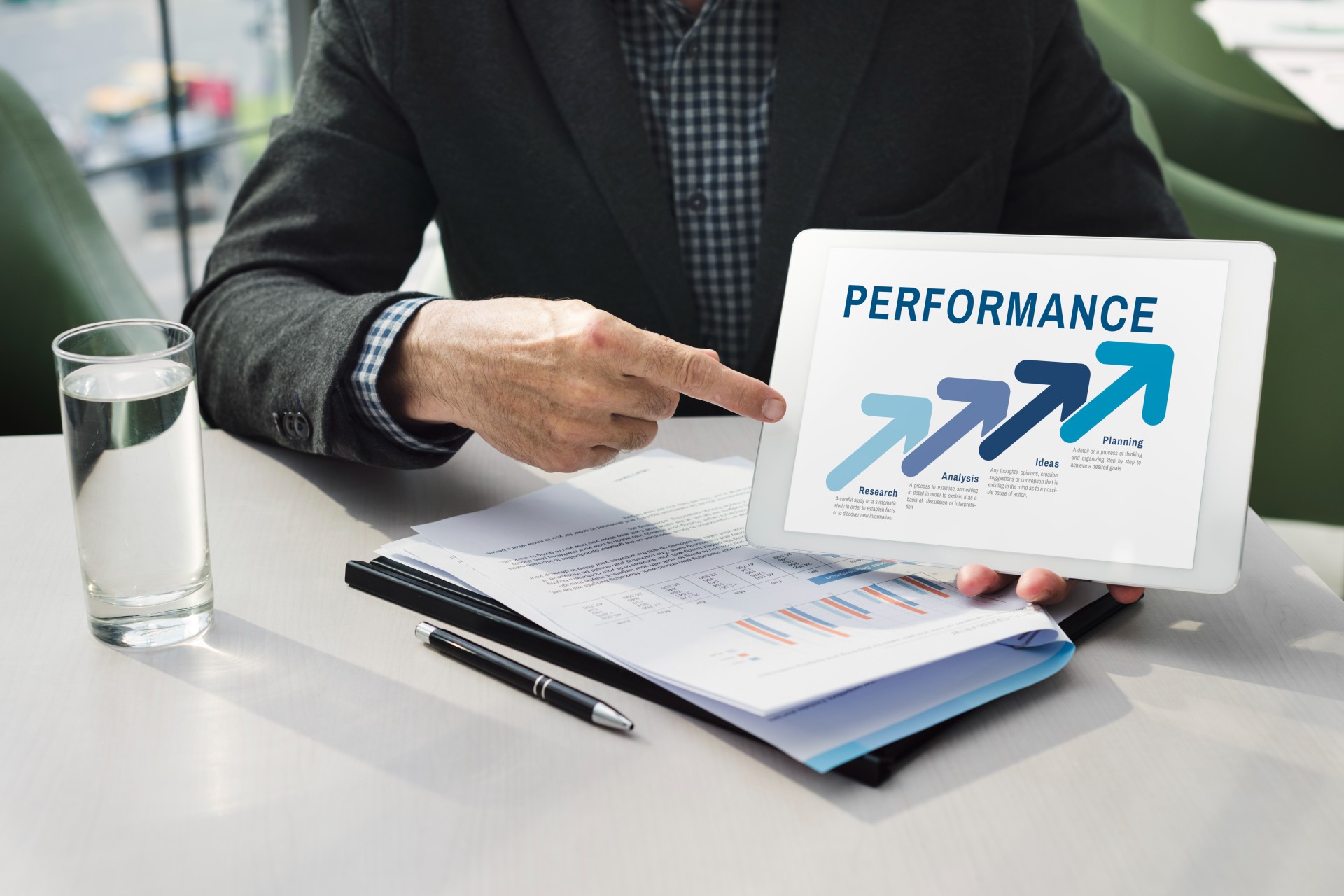
Performance Max is Google's most automated campaign type, and it is increasingly the default recommendation when advertisers set up new campaigns in Google Ads. It runs across every Google channel simultaneously, Search, Shopping, Display, YouTube, Gmail, and Maps, with Google's machine learning making the decisions about where, when, and to whom to show ads. For advertisers who hand it the right inputs and understand its constraints, it can deliver strong results. For those who treat it as a set-and-forget solution, it has a reliable tendency to spend budget in ways that do not align with business objectives.
The gap between those two outcomes is not luck. It is the difference between understanding how Performance Max actually works and treating it the way Google's marketing materials describe it. The automation is real and genuinely powerful, but it requires deliberate configuration, consistent oversight, and a clear-eyed view of what it cannot do on its own.
What Performance Max Is Actually Optimising For
The starting point for understanding Performance Max is understanding its objective function. PMax optimises for conversions or conversion value, depending on how the campaign is configured. Every decision the algorithm makes, about which channels to use, which audiences to prioritise, which creative combinations to serve, is made in service of that objective.
This creates a structural dynamic that advertisers need to account for: the algorithm is optimising for what you have told it to optimise for, not necessarily for what is most valuable to the business. If conversions are defined broadly to include low-value actions like newsletter sign-ups or page visits alongside high-value actions like purchases or qualified leads, the algorithm will pursue whichever conversions are easiest to generate. If conversion values are not assigned accurately, the algorithm cannot distinguish between a customer worth a hundred pounds and a customer worth a thousand.
The quality of the inputs, including conversion tracking setup, conversion value assignments, and audience signals, determines the quality of what Performance Max can optimise toward. Advertisers who invest in getting these inputs right before launching a PMax campaign have a fundamentally different experience of the campaign type than those who launch with default settings and incomplete tracking.
Asset Groups and Creative Control
Performance Max organises creative assets into asset groups, each containing a combination of headlines, descriptions, images, logos, and videos. Google assembles these assets into ads dynamically, testing combinations across formats and channels to find what performs best.
This is genuinely useful for creative testing at scale, but it requires a disciplined approach to asset quality and organisation. An asset group containing weak headlines alongside strong ones will eventually favour the strong ones, but not before spending on the weaker combinations. An asset group containing visually inconsistent images will produce ads that look incoherent across channels.
The practical implication is that asset quality matters more in Performance Max than in most campaign types, because the algorithm has broader discretion over how assets are combined and deployed. Every headline should be able to stand alone and represent the brand accurately. Every image should be genuinely high quality and brand-consistent. If video assets are not provided, Google will auto-generate video from static images, and the quality of auto-generated video is typically not representative of how the brand wants to be seen.
Organising asset groups by theme, product line, or audience rather than putting all assets into a single group also gives the algorithm cleaner signals. A business selling multiple product categories will get better results from separate asset groups for each category than from a single group containing everything.
Audience Signals Are Inputs, Not Targeting
One of the most widely misunderstood aspects of Performance Max is the role of audience signals. Audience signals are not targeting constraints in the way that audience targeting works in other campaign types. They are hints to the algorithm about where to start looking. Google will use them to begin its learning process, but it will expand beyond them as it identifies conversion patterns.
This means that adding a narrow audience signal does not restrict the campaign to that audience. It means the campaign starts with more focus and expands from an informed starting point rather than beginning cold. The practical benefit is a faster learning phase and better initial performance, particularly for accounts without an established conversion history.
Useful audience signals include first-party data such as customer lists and website visitor audiences, custom segments built from search terms the ideal customer is likely to use, and in-market and affinity audiences that closely match the target customer profile. The more accurately the audience signals represent the real customer base, the faster the algorithm develops a productive targeting model.
Budget Allocation and the Channel Visibility Problem
One of the most significant frustrations advertisers encounter with Performance Max is the limited visibility into how budget is being allocated across channels. The campaign reports aggregate performance rather than channel-level breakdowns, which makes it difficult to assess whether spend on YouTube, for example, is generating value or simply consuming budget that would work harder elsewhere.
There are partial workarounds. The asset group performance insights, available within the campaign, show relative performance by asset combination and can indicate which creative approaches are being favoured. The search categories report shows which search queries are triggering ads, which is important for identifying and excluding irrelevant traffic. Google also provides an insights page within PMax campaigns that shows audience and search themes contributing to performance.
The more important discipline is at the campaign level. Running Performance Max alongside standard Search campaigns, rather than replacing them, gives the account a clearer view of search performance specifically and prevents PMax from cannibalising branded search traffic in ways that inflate its reported conversion numbers. Branded search terms can be excluded from PMax campaigns through account-level brand exclusions, which is an important control that many advertisers do not implement.
Protecting Your Brand Search Terms
Performance Max has a documented tendency to pick up branded search queries, terms that include the brand name or domain, and report the resulting conversions as PMax performance. In practice, many of those conversions would have occurred through branded search campaigns at a fraction of the cost per click, because branded terms typically have very high intent and relatively low competition.
The result is that PMax appears to perform well on paper while actually absorbing easy conversions rather than generating incremental ones. This is one of the most important budget control issues in Performance Max management and one that requires active intervention.
Account-level brand exclusions are the primary tool for managing this. By excluding branded terms from PMax, the account ensures that branded search traffic is captured by dedicated branded search campaigns where the cost and attribution are more transparent. The incrementality of PMax performance becomes much clearer once branded conversions are separated out.
Foxtale Media's performance marketing team configures brand exclusions as a standard part of every Performance Max setup, because the campaign's reported performance is only meaningful if it reflects genuine incremental activity rather than cannibalised branded search.
Setting Budget Controls That Reflect Business Reality
Performance Max operates on a daily budget, and like other Google campaign types, it can spend up to twice the daily budget on any given day while averaging the set amount over the month. This spending pattern can create cash flow surprises for businesses with tighter budget controls or those running short promotional periods.
The target ROAS and target CPA bidding strategies are the primary tools for controlling how aggressively PMax spends. Setting a target ROAS that is realistic based on historical account performance, rather than aspirationally high, gives the algorithm room to find conversions without being so constrained that it cannot spend the budget at all. A target that is set too high relative to historical performance causes the campaign to underspend; one set too low relative to the margin on the product being advertised leads to unprofitable conversions.
Portfolio bid strategies, which apply a single bidding strategy across multiple campaigns, can be useful for businesses running both PMax and standard campaigns, because they allow budget efficiency to be managed at the account level rather than campaign by campaign.
Reviewing budget pacing weekly rather than monthly catches allocation issues before they compound. A PMax campaign that is consistently under or overpacing against the daily budget is a signal that the bidding strategy or budget setting needs adjustment.
The Learning Phase and Why Patience Has Limits
Performance Max has a learning phase, typically six weeks, during which the algorithm is building the data models it needs to optimise effectively. Performance during the learning phase is not representative of mature performance, and making significant changes to the campaign during this period resets the learning and extends it.
This creates a genuine tension for advertisers who need results on a timeline that is shorter than the learning phase. The practical approach is to front-load the configuration work, getting asset groups, audience signals, conversion tracking, and bidding strategy right before launch, so that the learning phase is spent validating a well-configured campaign rather than compensating for setup gaps.
It also means that the decision to pause or significantly change a PMax campaign during the learning phase should not be made lightly. A campaign that looks like it is underperforming in week two may be in a normal learning phase rather than genuinely failing. The threshold for intervention during learning should be higher than it would be for a mature campaign.
That said, patience has limits. If a campaign is clearly generating irrelevant traffic, producing conversions that do not align with business objectives, or spending in ways that are clearly unprofitable well into the learning phase, intervention is warranted regardless of where the algorithm is in its learning cycle.
When to Use Performance Max and When Not To
Performance Max is not the right campaign type for every objective. It performs best when there is a clear conversion goal, sufficient conversion volume for the algorithm to learn from, high-quality creative assets across multiple formats, and a business objective that is well-served by broad reach across all Google channels.
It is less well-suited to situations where precise audience control is essential, where brand safety restrictions require careful placement management, where budget is very limited and channel efficiency must be maximised, or where the business needs transparency into exactly where spend is going and what it is producing.
For most businesses, the optimal approach is to run Performance Max as part of a balanced account structure rather than as the only campaign type. Standard Search campaigns for high-intent branded and non-branded terms, Shopping campaigns for product-specific objectives where granular control matters, and Performance Max for reach and conversion volume goals that benefit from Google's full inventory access.
Foxtale Media's digital marketing team builds account structures that use Performance Max where it adds genuine value and preserves manual control where it matters, so that every pound of budget is working toward a clearly understood outcome.
Making Performance Max Work on Your Terms
The businesses that get the most from Performance Max are the ones that approach it as a partnership with the algorithm rather than a delegation to it. The algorithm handles the scale and speed of optimisation that no human can match. The advertiser handles the strategic inputs, the conversion quality, the creative standards, and the ongoing oversight that the algorithm cannot provide for itself.
That combination, algorithm-driven optimisation within a well-designed human-controlled structure, is where Performance Max delivers on its considerable potential without the budget control problems that give many advertisers a legitimate reason to be cautious about it.
Related Blog

November 12, 2026
8
How to Find the Right Influencer for Your Brand Without a Platform Subscription

November 11, 2026
8
