

How to Handle a Social Media Crisis Before It Spirals
July 27, 2026
8
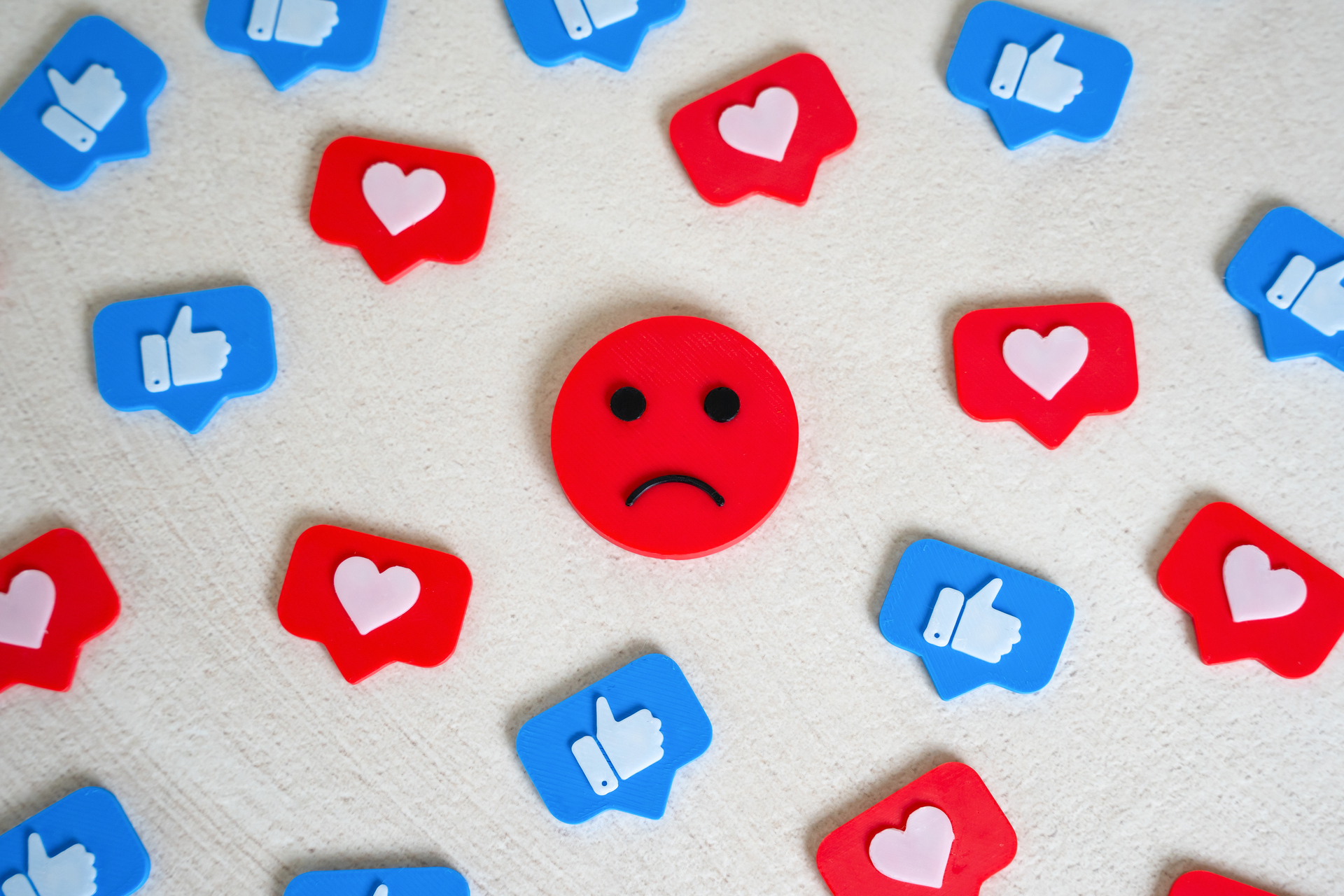
Social media crises do not announce themselves. They begin as a single complaint, a misunderstood post, a screenshot taken out of context, or a customer experience that was bad enough to document publicly. In most cases, the brand has somewhere between thirty minutes and a few hours before what started as an isolated negative moment becomes a trending conversation that is significantly harder to contain.
The brands that handle social media crises well are not the ones that never face them. Every brand with meaningful social media presence will eventually face a situation that has the potential to escalate. The brands that handle them well are the ones that have a clear framework for identifying a crisis early, a defined response process that moves quickly enough to get ahead of the escalation curve, and the communication discipline to say the right things rather than making the situation worse with a response that creates a second news cycle.
This guide covers how to build that framework before you need it and how to execute it effectively when you do.
What Constitutes a Social Media Crisis
The first challenge in crisis management is calibrating the threshold between a negative social moment and a genuine crisis. Not every critical comment, negative review, or unfavorable social mention is a crisis. Brands that treat every piece of negative feedback as a crisis become reactive and over-communicative in ways that can themselves generate the amplification they are trying to prevent.
A social media crisis is a negative situation that has either already spread significantly beyond its origin point or has the structural characteristics that make rapid spread likely. The specific signals that distinguish a potential crisis from routine negative feedback include the involvement of a journalist or media outlet in early sharing, the organic spread of content by accounts with large followings in the relevant community, the emergence of a hashtag or conversation thread that is attracting participation from people with no prior connection to the original complaint, and the nature of the complaint itself touching on issues with broad social resonance, such as discrimination, safety, deception, or values inconsistency.
Volume velocity matters as much as volume. A complaint that receives fifty negative responses in an hour is a different situation from a complaint that receives fifty responses over a week. The speed at which negative sentiment is accumulating is one of the most important early indicators of whether a situation is escalating toward a crisis or remaining contained at a manageable level.
The brands that navigate social media crises most effectively have established monitoring systems that track these signals in real time rather than discovering crisis situations hours after they have already reached significant scale. Social listening tools that flag unusual spikes in brand mentions, sentiment shifts, and keyword patterns associated with negative content are the infrastructure that makes early detection possible.
The Pre-Crisis Framework: Building the System Before You Need It
The most important crisis management work happens before any crisis occurs. A brand that builds its crisis management framework during an active crisis is building it under the worst possible conditions: time pressure, emotional intensity, and the need to make decisions whose consequences will be visible in real time to everyone watching.
The Crisis Response Team
Every brand with meaningful social media presence should have a defined crisis response team with clear roles, and every member of that team should know their role before a crisis occurs. The team typically includes a social media lead who monitors the situation and manages the social channels, a communications lead who drafts and approves response language, a legal contact who can advise quickly on statements that carry legal risk, a senior leadership contact who can make decisions that exceed the communications team's authority, and a customer service lead who manages the incoming volume of direct contacts that crises generate.
The team does not need to be large. In smaller organizations, one person may fulfill multiple roles. What matters is that the roles are defined, that every team member knows what their responsibility is when a crisis is declared, and that the communication channels between team members work fast enough to support the response timelines that social media crises require.
The Escalation Protocol
Not every negative social moment requires the full crisis response team. An escalation protocol defines the thresholds at which situations move from monitoring to active management to full crisis response, and the team members who need to be notified at each threshold.
A clear escalation protocol prevents both under-response, where a situation is allowed to escalate because no one with the authority to respond felt confident declaring it a crisis, and over-response, where routine negative feedback triggers the full crisis machinery and the disproportionate response itself becomes a story.
Pre-Approved Response Templates
The response language for the most common categories of social media crisis should be drafted, reviewed, and approved before any crisis occurs. When a crisis is active and a response is needed within thirty minutes, there is not time to write, review, and approve language from scratch. Pre-approved templates that can be adapted to the specific situation reduce the response time dramatically and ensure that the language has already been evaluated for legal risk, tonal appropriateness, and brand voice consistency.
Templates should cover the most likely crisis categories: a product quality or safety issue, a customer service failure that has gone public, an employee conduct situation, a misunderstanding around brand communication, and a values-related accusation. Each category has different communication requirements, and having language prepared for each reduces the time between crisis identification and first response.
The First Sixty Minutes: What Needs to Happen and When
When a social media crisis is identified, the first sixty minutes are the most consequential. The decisions made and the actions taken in this window largely determine whether the situation is contained or whether it escalates to a level that requires significantly more time and resource to manage.
Minutes One to Ten: Assess and Escalate
The immediate priority when a potential crisis is identified is assessment: is this a crisis or a serious negative moment that does not yet meet the crisis threshold? The assessment should be made quickly, based on the signals described above, and should not be a solo decision. The social media lead should immediately notify the relevant members of the crisis response team and share the assessment so that the response can be organized rather than improvised.
If the situation meets the crisis threshold, the team should be assembled immediately, regardless of what time it is. Social media crises do not respect business hours, and a crisis that escalates through the night because the response team was not activated until the next morning is a significantly more damaging situation than one that was addressed promptly.
Minutes Ten to Thirty: Decide on the Initial Response Approach
The initial response approach is the most important decision in the early crisis phase. There are two broad options: acknowledge the situation immediately with a brief holding statement while the full response is being developed, or take more time to develop a more complete initial response. The right choice depends on the speed of escalation, the nature of the crisis, and the brand's capacity to move quickly.
For rapidly escalating situations, a holding statement is almost always the right first move. A holding statement acknowledges that the brand is aware of the situation, confirms that it takes the matter seriously, and communicates that a fuller response is forthcoming. It does not make commitments the brand cannot keep, does not assign blame prematurely, and does not say anything that will need to be walked back.
The holding statement buys the time needed to develop a more complete response without leaving a gap in the brand's communication that the story fills with speculation and assumption. A brand that says nothing for two hours while a crisis escalates is implicitly communicating that it either does not know about the situation or does not care enough to respond, neither of which is the message the crisis communication needs to send.
For brands with a strong digital PR strategy, the holding statement is a familiar tool whose value is well understood. For brands without established crisis communication experience, the instinct to say nothing until everything is known often results in the silence that allows the worst interpretations to fill the space.
Minutes Thirty to Sixty: Develop and Deploy the Full Response
With the holding statement in place, the crisis response team has a window to develop the fuller response that addresses the substance of the situation. The full response should acknowledge the situation specifically rather than generically, take accountability for what the brand is responsible for without making commitments that are not yet confirmed, communicate what specific action is being taken, and provide a channel through which affected parties can be contacted directly.
The tone of the full response is as important as its content. A response that is defensive, that minimizes the concern, that redirects blame, or that uses corporate language that feels designed to protect the brand rather than to address the affected people will generate a second wave of negative response that is often worse than the first. The response that de-escalates a crisis is one that demonstrates genuine human concern for the people affected, clear accountability for the brand's role, and specific rather than vague commitments to address the situation.
The Communication Principles That De-Escalate
The specific communication choices within a crisis response consistently make the difference between a response that de-escalates the situation and one that extends or deepens it.
Acknowledge before explaining. The instinct in crisis communication is often to explain the context that makes the brand's actions or decisions understandable before acknowledging the impact on the people affected. This ordering consistently produces responses that feel defensive and self-serving, because the audience interprets the explanation as the brand prioritizing its own reputation over the people it has affected. Acknowledgment first, explanation if necessary after, is the sequencing that consistently receives a more constructive reception.
Be specific about what you are doing, not just sorry about what happened. An apology without action is a statement about the brand's feelings, not about the affected person's situation. Specific commitments to specific actions, even when those actions are still being determined, demonstrate genuine engagement with the problem rather than engagement with the brand's reputation management.
Use human language. Crisis responses written in corporate language feel designed to manage legal risk rather than to address human concern, and audiences are extremely good at detecting this. The language that de-escalates a social media crisis sounds like it was written by a person who genuinely cares about what happened, not by a legal team that has approved every sentence for liability exposure.
Resist the impulse to defend. When the criticism is unfair, when the context that explains the brand's actions is relevant and would change the audience's interpretation, the impulse to defend is understandable. In an active social media crisis, it is almost always the wrong move. Defense triggers counter-defense from the critical audience, which escalates rather than de-escalates. The space for providing context and correcting misunderstandings comes after the immediate situation is contained, not during it.
Managing the Extended Crisis: Beyond the First Response
For crises that cannot be resolved with a single response, the extended management phase requires a different set of practices from the immediate response phase.
The extended crisis phase requires consistent monitoring of how the conversation is evolving, regular internal updates to the crisis response team on the situation's development, and a communications cadence that keeps the brand visible and responsive without overcommunicating in ways that extend the news cycle rather than closing it.
One of the most common extended crisis mistakes is making multiple public statements in rapid succession as new information becomes available. Each new statement restarts the media and social conversation around the crisis, extending its lifespan and the associated reputational exposure. Wherever possible, the brand should gather as much information as possible before making substantive public statements, so that the statement is complete and correct rather than requiring subsequent updates.
The decision about when to stop actively communicating about a crisis and allow it to naturally fade from the conversation is one of the most difficult judgment calls in crisis management. Continuing to address a crisis that the audience is no longer actively discussing re-amplifies it. Stopping communication before the situation is genuinely resolved risks being seen as the brand moving on before the people affected have been adequately addressed.
For brands managing an active crisis across their social channels, social media monitoring that tracks conversation volume and sentiment in real time is the data infrastructure that informs this judgment call with evidence rather than requiring it to be made from intuition alone.
The Post-Crisis Review: Learning That Prevents the Next One
Every social media crisis, regardless of how it is resolved, generates learning that is commercially valuable if it is captured and applied. The post-crisis review is the process that converts the experience of the crisis into the organizational knowledge that reduces the likelihood and impact of future ones.
The review should examine how the situation originated and whether there were signals that were missed or misinterpreted before the crisis reached the threshold that triggered a response. It should assess the performance of the crisis response team and the response process against the pre-established framework, identifying the elements that worked well and the elements that created friction or delay. It should evaluate the effectiveness of the crisis communication against the goal of de-escalation, including any second-wave responses that suggest the communication itself contributed to the escalation.
The most valuable output of the post-crisis review is a specific set of changes to the crisis response framework that address the gaps the crisis revealed. A crisis that results in an improved escalation protocol, a new category of response template, or a change to the monitoring infrastructure has generated lasting organizational value from a difficult experience.
The Bottom Line
A social media crisis handled well rarely results in lasting reputational damage. A social media crisis handled poorly, or not handled at all because the organization was not prepared, frequently does. The difference between these two outcomes is almost entirely determined before the crisis occurs, in the quality of the monitoring infrastructure, the clarity of the escalation protocol, the composition and preparation of the crisis response team, and the pre-approval of the communication framework that allows the brand to respond quickly and consistently when the situation demands it.
The brands that emerge from social media crises with their reputation intact, and sometimes with their reputation genuinely strengthened by the quality of their response, are the brands that treated crisis preparedness as a standard element of their social media strategy rather than something to think about after the first crisis made the need obvious.
Building that preparedness now, before the crisis that will eventually test it, is one of the highest-return investments available in brand protection. Foxtale Media works with brands to develop social media crisis frameworks and digital PR strategies that are designed to protect brand reputation when it matters most. If you are ready to build the crisis preparedness that most brands only develop after they needed it, visit Foxtale Media and let's build it before you need it.
Related Blog

October 6, 2026
8
In-House vs Outsourcing SEO: Which Delivers Better Results?

September 11, 2026
8
%201.svg)