

How Long Does SEO Actually Take Setting Real Expectations
July 29, 2026
8
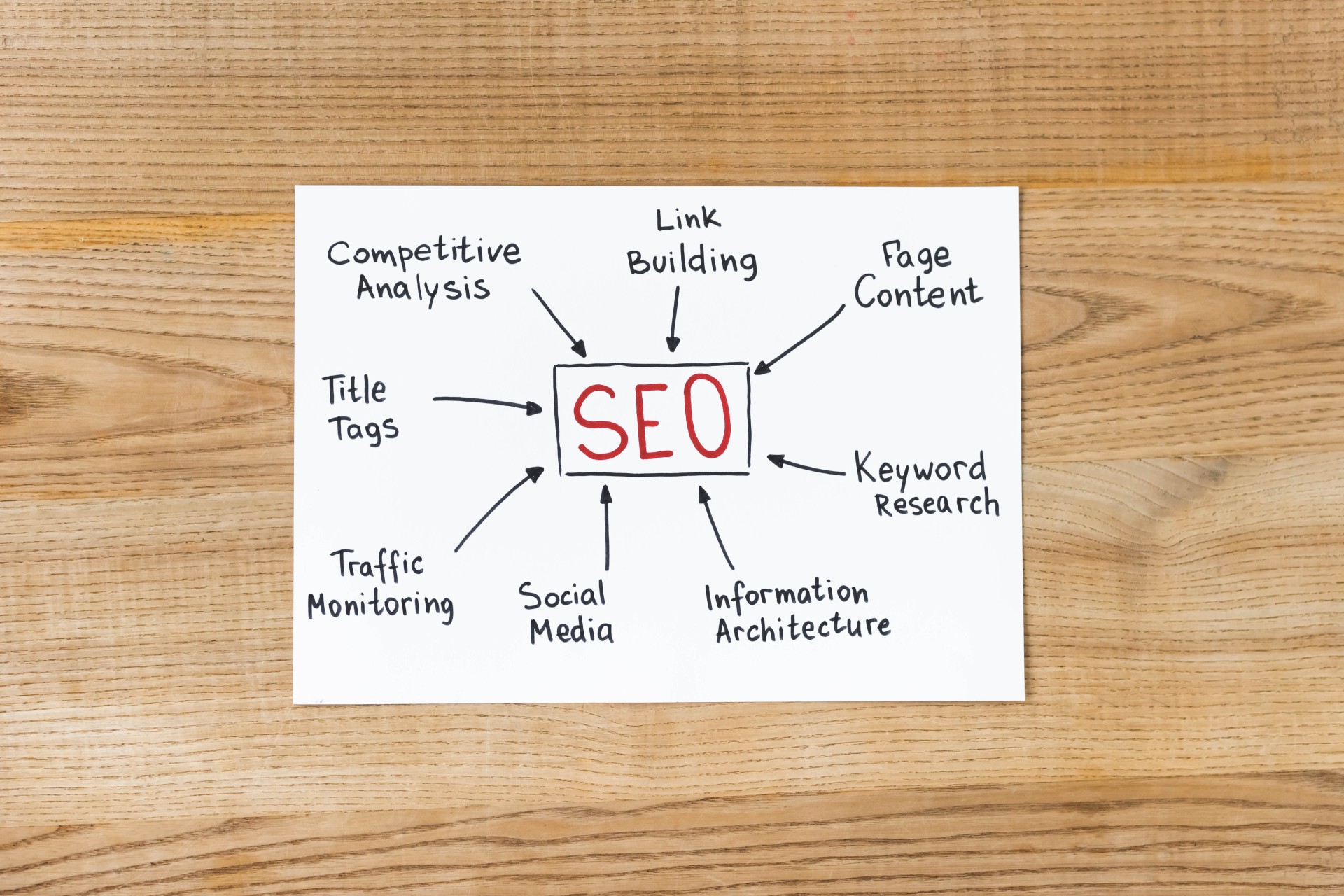
The most common SEO disappointment is not a failed strategy. It is a correct strategy evaluated against incorrect expectations.
A brand invests in SEO, does the right things, produces quality content, builds links, fixes technical issues, and then measures the results after six weeks and concludes it is not working. The strategy was sound. The timeline expectation was not. The gap between those two things produces frustration, abandoned strategies, and the recurring cycle of starting over that prevents most brands from ever realizing SEO's genuine commercial potential.
SEO takes longer than most brands expect and delivers more than most brands anticipate, but only for brands that stay in long enough to reach the point where the compounding returns begin to materialize. Understanding what actually determines SEO timelines, what realistic progress looks like at each stage, and why some sites see results faster than others is the foundation for building the kind of SEO strategy that gets the time and investment it needs to deliver.
Why SEO Does Not Produce Instant Results
The question of how long SEO takes cannot be answered without first understanding why it takes as long as it does, because the reasons are not arbitrary. They are structural features of how search engines work, and understanding them changes how brands should think about SEO investment.
Search Engines Need Time to Discover and Evaluate
Google does not update search rankings in real time. It crawls websites on a schedule, processes what it finds, and updates its index and rankings based on accumulated signals over time. A new page published today will not appear in search results immediately. It needs to be discovered by Google's crawler, indexed, evaluated against the existing content competing for the same keywords, and assigned a ranking position that reflects its quality and authority relative to that competition.
For established sites with strong crawl frequency, new content can be indexed within hours or days. For newer sites or sites with technical crawlability issues, new content may take weeks to be discovered and indexed. And indexing is only the beginning: ranking competitively for meaningful keywords requires the accumulation of engagement signals, backlink authority, and demonstrated topical expertise that develops over months of consistent effort.
Domain Authority Accumulates Gradually
One of the most significant determinants of SEO timeline is the current authority level of the domain. Domain authority, the accumulated credibility signal that search engines use to evaluate how much weight to give a site's content, is built through the quality and quantity of backlinks pointing to the site, the age and history of the domain, and the consistency of the site's content quality over time.
A new domain starts with essentially zero accumulated authority. Every keyword it targets is contested against established sites that have spent months or years building the authority that makes their content rank. A new site competing for competitive keywords against established authority sites is, from a search engine's perspective, an unknown entity asking to be trusted as highly as organizations with demonstrated track records.
This authority gap is the primary reason new sites take longer to see SEO results than established ones, and it is also the reason that consistent, sustained SEO investment compounds in value over time. Each month of quality content production and legitimate link acquisition adds to the authority that makes subsequent content easier to rank, which is why the brand that has been investing in SEO for two years will consistently outrank a brand that makes the same monthly investment but started two years later.
Competition Determines Difficulty
The time SEO takes is not a fixed quantity. It is a function of the competitive landscape for the specific keywords being targeted. A brand targeting low-competition long-tail keywords in a niche category may see meaningful ranking improvements within two to three months. A brand targeting high-competition head terms in a crowded category may need twelve to eighteen months of sustained investment before those terms become realistic ranking targets.
This competitive dimension is why keyword strategy is so directly connected to SEO timeline expectations. A keyword strategy that is calibrated to the site's current authority, targeting achievable terms in the short term while building toward competitive terms in the medium term, produces visible results much faster than a strategy that only targets the highest-value keywords regardless of the site's current competitive position.
What Realistic SEO Progress Looks Like Month by Month
Understanding that SEO is a long-term investment is different from understanding what that investment should actually produce at each stage. Specific, stage-appropriate benchmarks for SEO progress allow brands to evaluate whether their strategy is working rather than simply waiting indefinitely.
Months One to Three: Foundation and Indexation
The first three months of an SEO program are primarily about building the technical and content foundation that subsequent ranking will depend on. The visible results in this period are typically limited, and brands that evaluate SEO success purely on ranking changes in the first three months will almost always conclude prematurely that the investment is not working.
The activities that dominate this phase, technical SEO auditing and remediation, keyword research and content planning, initial content production, and Google Search Console setup and monitoring, are not producing rankings directly. They are removing the barriers to ranking and creating the content infrastructure that rankings will eventually be built on.
What should be visible in this phase is indexation of new content, resolution of technical issues that were previously preventing proper crawling and indexing, and the beginning of impression data in Search Console showing that Google is starting to associate the site with the relevant topic areas. These are leading indicators that the strategy is on track even when ranking positions have not yet materially improved.
Months Three to Six: Early Movement and Long-Tail Wins
Between months three and six, brands with a well-executed SEO strategy should begin to see the first meaningful ranking movements. These early movements are typically concentrated in long-tail keywords, more specific, lower-competition search queries where the authority barrier is lower and quality content can establish rankings relatively quickly.
Long-tail keyword rankings are commercially significant beyond their individual traffic volumes because they demonstrate that the strategy is working and provide the engagement signals that help the site build authority for more competitive terms over time. A page that ranks well for several long-tail variants of a topic area is accumulating the behavioral signals that support competitive ranking for the head term those variants orbit.
This is also the phase where content that was published in the first three months begins to generate enough data to inform optimization. Pages that are appearing in Search Console impressions but generating low click-through rates may need title and description optimization. Pages that are ranking in positions eight to fifteen for relevant queries are strong candidates for content improvement that could move them to positions that generate meaningful traffic.
Months Six to Twelve: Authority Building and Competitive Ranking
The six to twelve month period is where SEO investment begins to compound visibly for most brands. Content published earlier in the program has accumulated engagement signals and, where link building has been active, external authority that improves its competitive ranking position. New content produces results faster than content published in the early months because the domain's accumulated authority gives it a better starting position.
This is typically the phase where brands start to see meaningful organic traffic growth from their SEO investment, where keyword rankings in competitive positions begin to appear, and where the relationship between SEO activity and commercial outcomes becomes measurable rather than theoretical.
For brands that have invested in a comprehensive SEO strategy from the outset, including technical foundation, content production, and link acquisition, month six to twelve is often when the investment begins to demonstrate the commercial returns that justify continued and increased investment.
Months Twelve and Beyond: Compounding Returns
The SEO results that justify the investment and the patience required to reach them typically materialize in the twelve months plus phase. Sites that have consistently invested in quality content, technical health, and link acquisition over twelve or more months begin to experience the compounding dynamic that makes SEO such a powerful long-term channel.
Content continues to rank and generate traffic without additional investment in that specific piece. New content ranks faster because the domain's authority level gives it a competitive head start. The organic traffic generated by the accumulated content library continues to grow even during periods of reduced production activity, because the existing assets continue to compound their rankings over time.
This compounding dynamic is the property of SEO that most clearly distinguishes it from paid channels. A paid search or social campaign generates traffic while budget is being spent and stops generating traffic when the spend stops. An SEO investment that has been sustained over twelve or more months generates a content and authority asset that continues to produce organic traffic indefinitely, with the maintenance investment required to sustain it being a fraction of the initial investment required to build it.
The Variables That Determine Whether SEO Takes Longer or Shorter
Within the general timeline framework above, specific variables accelerate or extend the time SEO takes for individual brands. Understanding these variables helps set more precise expectations and identifies the highest-leverage actions for improving timeline.
Domain Age and History
Older domains with a history of consistent, quality content have accumulated the authority signals that give new content a competitive starting position. New domains lack this history and need more time to build the accumulated signals that establish their credibility with search engines.
A brand launching a new domain should expect the first six months to be almost entirely foundation-building with limited visible organic traffic growth, while a brand with an established domain that is beginning a more systematic SEO investment may see meaningful results within three to four months.
Current Technical Health
Sites with significant technical SEO issues, crawlability problems, slow page speed, duplicate content, or indexation errors, will see limited SEO progress until those issues are resolved regardless of how strong the content strategy is. Technical issues that prevent search engines from properly accessing and understanding a site's content are a ceiling on every other SEO investment.
The time required to identify and resolve technical issues is part of the overall SEO timeline and should be factored into expectations rather than treated as a separate phase that happens before the real SEO work begins.
Content Production Velocity
The speed at which quality content is produced directly affects the speed at which the topical authority and keyword coverage that drive organic traffic are built. A brand producing four quality pieces of content per month will build authority faster than a brand producing one, and will typically see meaningful organic traffic growth on a shorter timeline.
Content quality matters as much as quantity. Thin, low-quality content that does not genuinely serve search intent adds to the site's content volume without adding to its authority, and can actively suppress rankings if it creates a quality signal problem that affects the domain's overall assessment.
Link Acquisition Activity
Active, legitimate link acquisition accelerates SEO timelines by building the external authority signals that help content rank more competitively. Sites that rely entirely on organic link acquisition, waiting for links to accumulate naturally without any active outreach or digital PR activity, typically see slower authority growth than sites that combine quality content with systematic link acquisition.
The quality and relevance of acquired links matters significantly more than their volume. A small number of links from authoritative, topically relevant sites accelerates ranking improvement more than a large volume of low-quality links, and the latter can actively harm rankings if the link profile is assessed as manipulative.
What Brands Should Do While Waiting for SEO to Compound
The patience that SEO requires does not mean passivity. The period while SEO is building toward its compounding returns is the period for the sustained activity that makes those returns possible and for the complementary investment that generates commercial returns while SEO matures.
Paid search is the most natural complement to SEO investment during the maturation period, because it generates immediate visibility for the keywords that SEO is targeting for long-term organic ranking. A brand that uses paid search to capture demand while its organic rankings develop is not duplicating investment. It is covering the commercial opportunity in the short term while building the asset that will cover it more efficiently in the long term.
Content quality improvement of existing pages is one of the highest-return SEO activities during the maturation period because it generates ranking improvements from assets that are already indexed and already accumulating authority, without requiring the full timeline that new content needs to build from zero. Pages sitting in positions eight to twenty for relevant queries are strong candidates for improvement that can produce meaningful ranking movement within four to eight weeks.
Consistent monitoring of Search Console data provides the leading indicators of strategy health that allow problems to be identified and addressed before they become significant enough to materially delay the overall timeline. Regular review of impression trends, click-through rates, and ranking position distributions shows whether the strategy is progressing as expected or whether specific elements need adjustment.
Key Takeaways
SEO takes longer than most brands expect because it is building a compounding asset rather than generating immediate results. The typical timeline from initial investment to meaningful organic traffic growth is six to twelve months for most brands in most competitive categories, with the compounding returns that make SEO one of the most cost-efficient acquisition channels materializing in the twelve months plus period.
The specific timeline for any individual brand is determined by the domain's current authority, the competitiveness of the target keywords, the quality and velocity of content production, the technical health of the site, and the activity level of link acquisition. Brands that understand these variables can set expectations that are realistic for their specific situation rather than against a generic timeline that may not reflect their competitive context.
The brands that realize SEO's full commercial potential are the ones that commit to it as a long-term investment, evaluate it against stage-appropriate benchmarks rather than against the results of channels with shorter feedback loops, and sustain the consistent activity that allows the compounding dynamic to develop.
Visit Foxtale Media and let's build an SEO strategy with the right expectations and the right approach to deliver the results your brand deserves.
Related Blog
October 6, 2026
8
In-House vs Outsourcing SEO: Which Delivers Better Results?

September 11, 2026
8
%201.svg)