

Backlinks in 2026: Why They Still Drive Rankings and How to Earn Them Without Shortcuts
July 10, 2026
8
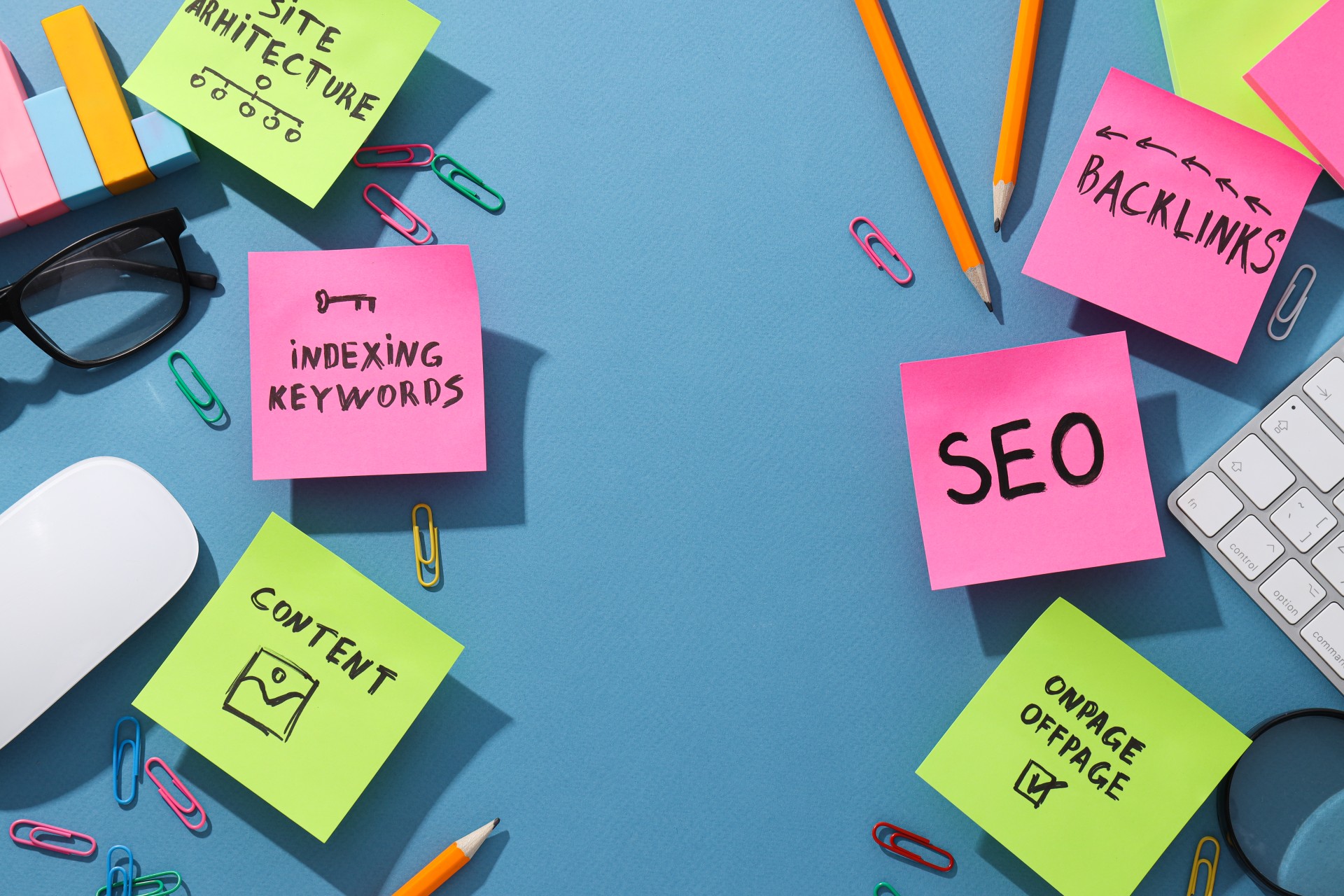
Every few years, a new wave of content declares that backlinks are dead. The argument usually goes something like this: Google has become so sophisticated that it no longer needs to rely on links to understand content quality. AI-driven search algorithms can evaluate relevance, authority, and trustworthiness through content signals alone. The era of link building is over, and brands that are still investing in earning backlinks are chasing a ranking signal that has been superseded by more nuanced quality indicators.
This argument is wrong, and it has been wrong every time it has been made. Backlinks remain one of the most significant and most consistently validated ranking signals in Google's algorithm in 2026, confirmed by Google's own statements, by the SEO research community's correlation studies, and by the empirical experience of every practitioner who has observed the relationship between backlink acquisition and ranking improvement across thousands of domains and keywords.
What has changed is not whether backlinks matter. It is which backlinks matter, how Google evaluates them, and what the difference between backlinks that drive rankings and backlinks that trigger penalties looks like in practice. The brands that understand these distinctions are building link profiles that compound into sustainable organic search authority. The brands that are still operating from outdated link building playbooks, or that have abandoned link building entirely based on premature obituaries of the practice, are consistently underperforming their organic search potential.
This guide covers why backlinks still drive rankings in 2026, what has changed about how Google evaluates them, and how to build a backlink acquisition strategy that earns genuine authority without the shortcuts that have become more dangerous rather than less as Google's link evaluation has become more sophisticated.
Why Backlinks Still Matter: The Fundamental Logic That Has Not Changed
To understand why backlinks remain important in 2026, it helps to understand the fundamental logic that made them important in the first place, because that logic has not changed even as the technical implementation of link evaluation has evolved significantly.
The Web as a Voting System
When Google's founders developed PageRank, the foundational algorithm that powered Google's early search quality advantages, the core insight was that links from one website to another could be treated as votes of confidence. A website that many other websites link to is, in aggregate, being endorsed as a valuable or authoritative source by the websites linking to it. The more authoritative the linking websites are, the more weight those endorsements carry.
This voting logic is not just a technical heuristic that Google adopted because it was computationally convenient. It reflects a genuine signal about content quality and relevance that is difficult to fake at scale and that correlates strongly with the kind of content quality that genuinely serves users. Content that earns links from other websites is, in aggregate, content that other people who create content in the same space found valuable enough to reference. That is a meaningful quality signal in a way that self-asserted content quality never is.
The fundamental validity of this logic has not been undermined by advances in AI or natural language processing. What those advances have done is make Google much better at distinguishing genuine editorial endorsements from manufactured link signals, which has increased the value of legitimate backlinks relative to artificial ones rather than reducing the importance of backlinks overall.
The Empirical Evidence From 2026
Beyond the theoretical logic, the empirical evidence for backlink importance in 2026 is compelling. Correlation studies examining the relationship between ranking position and backlink metrics consistently show strong positive correlations between the number and quality of backlinks pointing to a page and its ranking position for competitive keywords.
More meaningfully, the brands and SEO practitioners who have invested consistently in earning genuine, high-quality backlinks over the past several years have seen compounding organic search growth that their content-only counterparts have not achieved in equivalent timeframes. The compound effect of a growing backlink profile, where each new link increases the domain authority that makes all subsequent content easier to rank, is one of the most durable competitive advantages available in organic search.
What Has Changed: How Google Evaluates Backlinks in 2026
While the importance of backlinks has not changed, the sophistication of Google's backlink evaluation has evolved significantly, and brands that are still operating from link building mental models developed five or ten years ago are working with an outdated understanding of what kinds of links drive rankings versus what kinds of links create risk.
Quality Over Quantity Has Never Been More True
The era in which ranking improvements could be achieved by acquiring large volumes of low-quality links from directories, article spinning networks, private blog networks, and other manufactured link sources is definitively over. Google's ability to identify and devalue, or actively penalize, manipulative link building practices has improved to the point where these tactics are more likely to harm rankings than improve them.
In 2026, the value of a backlink portfolio is determined almost entirely by the quality and relevance of the individual links within it rather than by the total number of links. A single genuine editorial link from a well-regarded industry publication, where a journalist cited the brand's content as a reference while writing about a relevant topic, carries more ranking value than hundreds of links from low-quality directories or paid link networks.
This quality emphasis means that backlink acquisition strategy should be oriented toward earning fewer, better links rather than acquiring as many links as possible through whatever means are available. The total link count metric that was once a meaningful SEO benchmark has been largely superseded by metrics that measure link quality: the domain authority or domain rating of linking sites, the topical relevance of the linking page to the content being linked to, and the editorial context in which the link appears.
Topical Relevance as a Link Quality Dimension
In 2026, the topical relevance of a linking website and linking page to the content being linked to has become an increasingly important dimension of link quality evaluation. A backlink from a website covering closely related topics to the brand's content carries more relevance signal than a link from a high-authority website covering entirely unrelated topics.
This topical relevance dimension means that link building strategy should prioritize earning links from websites in the same or closely adjacent topic areas rather than pursuing high-authority links from unrelated domains purely on the basis of their authority metrics. A link from a moderately authoritative website that covers the exact topic area the brand is trying to rank in is typically more valuable than a link from a very high-authority website that covers unrelated topics.
Link Velocity and Natural Growth Patterns
Google's link evaluation in 2026 includes assessment of link velocity, the rate at which a website acquires new backlinks over time, against the pattern that would be expected for genuine organic link acquisition. A website that acquires a hundred new backlinks in a single month after having received very few for the previous year is exhibiting a link velocity pattern that is inconsistent with natural editorial link growth and that may trigger algorithmic scrutiny.
Natural link acquisition follows a pattern that reflects the brand's content publishing, marketing, and PR activity rather than a pattern that reflects concerted link building campaigns. Brands that earn links as a byproduct of genuine marketing, content, and PR activity tend to exhibit the natural velocity patterns that Google's algorithms are calibrated to reward. Brands whose backlink acquisition is driven primarily by link building campaigns may need to ensure that the velocity and timing of their link acquisition reflects naturally occurring patterns rather than campaign bursts.
How to Earn Backlinks Ethically: Strategies That Work in 2026
With a clear understanding of why backlinks matter and what Google's current evaluation framework rewards, the practical question is how to earn high-quality, topically relevant backlinks through approaches that are sustainable, ethically sound, and compliant with Google's guidelines.
Create Content That Earns Links Passively
The most sustainable and most scalable approach to backlink acquisition is creating content that earns links without active outreach, because other content creators in the topic area find it valuable enough to reference in their own work. This type of content, which SEOs sometimes call linkable assets or link magnets, has specific characteristics that make it more likely to be cited than standard blog content.
Original research and data studies are the most consistently effective linkable asset category. When a brand publishes original research with findings that are specific to its industry, other content creators writing about the same industry will cite those findings because they provide specific, citable data points that add credibility and specificity to their own content. A study that produces a single widely cited statistic can generate dozens of high-quality backlinks from genuinely interested publishers in the relevant topic area without any outreach effort.
Comprehensive reference guides that cover a topic with a depth and comprehensiveness that no other single resource achieves become the default citation for that topic in the relevant community. When content creators writing about a topic look for a source to link to for background on a specific concept or practice, the most comprehensive guide available is the most likely destination for that link. Investing in producing the most comprehensive treatment of important topics in the brand's category is a link acquisition strategy that generates returns over years rather than weeks.
Industry tools, calculators, and frameworks that content creators in the relevant space find genuinely useful generate ongoing backlinks as new content creators discover them and link to them as resources. A brand that produces a genuinely useful tool or framework that others in the industry use and reference becomes an embedded citation in the topic area's content ecosystem in a way that editorial content alone rarely achieves.
Digital PR as a Systematic Link Acquisition Approach
Digital PR, the practice of earning coverage and citations in online publications through journalism-grade story development and media outreach, is one of the most effective systematic approaches to high-quality backlink acquisition in 2026. When a brand earns coverage in a respected publication, the coverage almost always includes a link to the brand's website, and that link carries the authority signal of the publication's domain authority and the relevance signal of the topical coverage context.
The link acquisition value of digital PR is a compounding benefit on top of the awareness and credibility value of the coverage itself. A brand that invests in building genuine media relationships, producing original research that journalists find newsworthy, and responding to journalist requests for expert commentary in its field is building a backlink profile through activities that are simultaneously serving brand awareness, credibility, and organic search authority objectives.
For brands developing a digital marketing strategy that includes organic search as a significant acquisition channel, integrating digital PR with content marketing and SEO creates a content and link acquisition flywheel where research produces linkable content, digital PR amplifies that content to earn high-authority links, and those links improve the rankings that drive organic traffic to the content.
Resource Page Link Building
Resource pages are pages on other websites that compile links to useful resources on a specific topic for their audience. When a brand has produced content that genuinely serves as a useful resource on a topic that relevant resource pages cover, requesting inclusion on those pages is a legitimate and effective link building approach that is explicitly endorsed by Google's guidelines as a natural form of editorial linking.
The resource page approach works best when the content being proposed for inclusion is genuinely the best available resource on its specific topic and when the resource page's topic area is closely aligned with the content being proposed. Generic requests to add a brand's content to any resource page regardless of relevance produce low acceptance rates and generate links that carry limited relevance signal. Targeted requests to include a genuinely superior resource on closely aligned resource pages produce higher acceptance rates and generate the topically relevant links that carry the most ranking value.
Expert Commentary and Contributed Content
Providing expert commentary to publications covering the brand's topic area, and contributing genuinely valuable guest content to authoritative websites in the relevant topic space, generates high-quality backlinks in the editorial context that Google's algorithm is calibrated to reward most strongly.
The distinction between expert commentary and contributed content that earns genuine link value and the paid link placements and low-quality guest post farms that Google's guidelines prohibit is the quality and editorial independence of the publication. A genuine editorial publication that accepts expert commentary or contributed articles based on the quality and relevance of the content, rather than on payment for placement, generates links that carry authentic editorial authority signals. A website that sells guest post placements at a fixed price is generating paid links that Google's guidelines prohibit and that its algorithm is increasingly capable of identifying and devaluing.
The test for whether a contributed content or expert commentary opportunity generates a link that will improve rankings or create risk is whether the publication would have covered the topic or cited the brand without the incentive of receiving content. Genuine editorial publications would. Paid placement networks would not.
Broken Link Building
Broken link building is a tactical approach that identifies broken links on relevant websites pointing to content that no longer exists, and proposes the brand's own content as a replacement for the broken link. This approach works because website owners have a genuine incentive to fix broken links, the replacement content provides them with a specific, immediately useful action to take, and the link opportunity exists because another content creator previously decided the topic was worth linking to.
The most effective broken link building targets pages on authoritative, topically relevant websites where the broken link was pointing to content closely related to content the brand has already produced. The pitch to the website owner focuses on the specific value of fixing the broken link for their audience rather than on the benefit to the brand of receiving the link, because the website owner's incentive is their own content quality rather than the brand's link acquisition objectives.
The HARO and Expert Source Approach
Journalist request platforms, where journalists and content creators post requests for expert sources on specific topics they are covering, provide brands with the opportunity to earn high-quality backlinks by providing genuinely useful expert commentary to journalists who are actively seeking it.
The approach requires consistent monitoring of relevant journalist requests, fast response times because journalists typically work to tight deadlines, and genuinely useful and specific expert commentary rather than generic promotional responses that serve the brand's messaging rather than the journalist's informational needs. Brands that respond consistently with genuinely useful expert perspective earn a steady stream of high-quality editorial links from the publications whose journalists they are serving.
Building a Backlink Profile That Compounds Over Time
Individual link acquisition tactics are only commercially valuable within the context of a link acquisition strategy that builds a backlink profile that compounds in authority over time rather than accumulating links without strategic coherence.
Diversification as a Risk Management Principle
A backlink profile that is heavily concentrated in a single type of link, a single source type, or a single acquisition method is more vulnerable to algorithm changes than a diverse profile that includes links from multiple types of sources, acquired through multiple legitimate methods, covering multiple topically relevant domains.
Diversification in backlink acquisition is not a departure from quality focus. It is a quality principle in its own right, because the most natural, editorially earned backlink profiles are diverse by their nature, reflecting the variety of contexts in which genuinely valuable content gets cited by genuinely interested content creators.
Monitoring and Protecting the Existing Link Profile
Link acquisition is only half of backlink profile management. The other half is monitoring and protecting the existing link profile from the natural link decay that occurs as websites update their content, change their URL structures, or shut down entirely.
Links that pointed to a brand's website and are now broken, either because the linking page was removed or because the linked page's URL changed, represent lost ranking value that can often be recovered through relatively simple technical fixes or outreach to update the broken link. Regular monitoring of the existing link profile to identify and address link decay is a maintenance activity that protects the ranking value of the links the brand has already earned.
For brands investing in a comprehensive SEO strategy that treats backlink acquisition as a core component of organic search growth, integrating link profile monitoring into the ongoing SEO maintenance program ensures that the compounding value of the existing link profile is protected as new links are added.
The Disavow Tool as a Last Resort
Google provides a disavow tool that allows brands to tell Google to ignore specific links pointing to their website when evaluating the site's ranking. This tool exists because brands sometimes accumulate low-quality or manipulative links through no active effort of their own, whether through negative SEO attacks, historical link building activity from previous site owners, or organic acquisition of links from low-quality sources.
The disavow tool should be used as a last resort after manual outreach to remove unwanted links has been attempted and failed, not as a routine link management activity. The risk of incorrectly disavowing legitimate links is real and can damage rankings, so disavow file management should be approached conservatively and with professional SEO guidance rather than as a defensive measure applied broadly to any link that appears suspicious.
The Shortcuts That Are More Dangerous Than Ever
Understanding how to earn backlinks ethically requires equal clarity about the approaches that should be avoided, because several link building shortcuts that were once merely ineffective have become actively dangerous as Google's link evaluation has improved.
Private Blog Networks
Private blog networks, collections of websites created or acquired specifically to generate links to target sites, are one of the most explicitly prohibited link building practices in Google's guidelines and one of the practices Google has become most effective at identifying and penalizing. The footprints that PBNs leave, including shared hosting, similar content patterns, and unnatural link profiles on the network sites themselves, are increasingly visible to Google's algorithmic detection.
Brands that have relied on PBN links for organic rankings are carrying significant algorithmic risk that is not visible in their current rankings but that can materialize rapidly when Google's detection improves or when a manual penalty is applied to the network.
Paid Link Schemes
Purchasing links, whether directly from websites that sell link placements or through agencies that facilitate paid link acquisition without disclosure, is explicitly against Google's guidelines and represents one of the clearest categories of manipulative link building. The risk profile of paid links has increased in 2026 because Google's ability to identify patterns of paid link acquisition has improved significantly, and the penalties applied to sites identified as engaging in paid link schemes have become more severe.
The test for whether a link opportunity constitutes a paid link scheme is simple: is the link being provided because the content genuinely merits an editorial citation, or because money changed hands? If the latter, the link is in violation of Google's guidelines regardless of the quality of the content being linked to.
Reciprocal Link Schemes
Reciprocal link exchange, where two websites agree to link to each other for the purpose of generating mutual link signals rather than because each genuinely finds the other's content worth citing, is a link manipulation practice that Google's guidelines explicitly identify as a violation. At small scale and where the links represent genuine editorial citations that happen to be mutual, this is not a concern. At the scale of organized link exchange networks or systematic reciprocal linking arrangements, it is a practice that carries genuine penalty risk.
The Bottom Line
Backlinks remain one of the most significant ranking signals in Google's algorithm in 2026, and the brands that invest consistently in earning high-quality, topically relevant backlinks through legitimate content, digital PR, and outreach strategies are building organic search authority that compounds into sustainable competitive advantage.
What has changed is not the importance of backlinks but the sophistication of Google's ability to distinguish genuine editorial endorsements from manufactured link signals. The shortcuts that once generated rankings despite their manipulative nature are now more likely to generate penalties than results, while the legitimate approaches that always represented the right way to earn backlinks have become relatively more powerful as their manipulative alternatives have been devalued.
The backlink strategy that works in 2026 is the strategy that has always worked when executed well: create content that genuinely deserves to be cited, build relationships with the journalists and content creators who would naturally cite it, and earn links as a byproduct of genuine marketing and content excellence rather than as the primary output of a link acquisition operation.
Foxtale Media works with brands to build organic search strategies that treat backlink acquisition as a core component of sustainable search authority, integrated with content marketing and digital PR to create the compounding link profile that drives lasting ranking improvements. If you are ready to build a backlink strategy that earns genuine authority without shortcuts, visit Foxtale Media and let's build it together.
Related Blog
October 6, 2026
8
In-House vs Outsourcing SEO: Which Delivers Better Results?

September 11, 2026
8
%201.svg)